



Vancouver Island Marmot Recovery
Vancouver Island Marmot Recovery


Author: Mike DesRochers, ‘Na̱mg̱is Referrals Officer
A Species Once Near Extinction
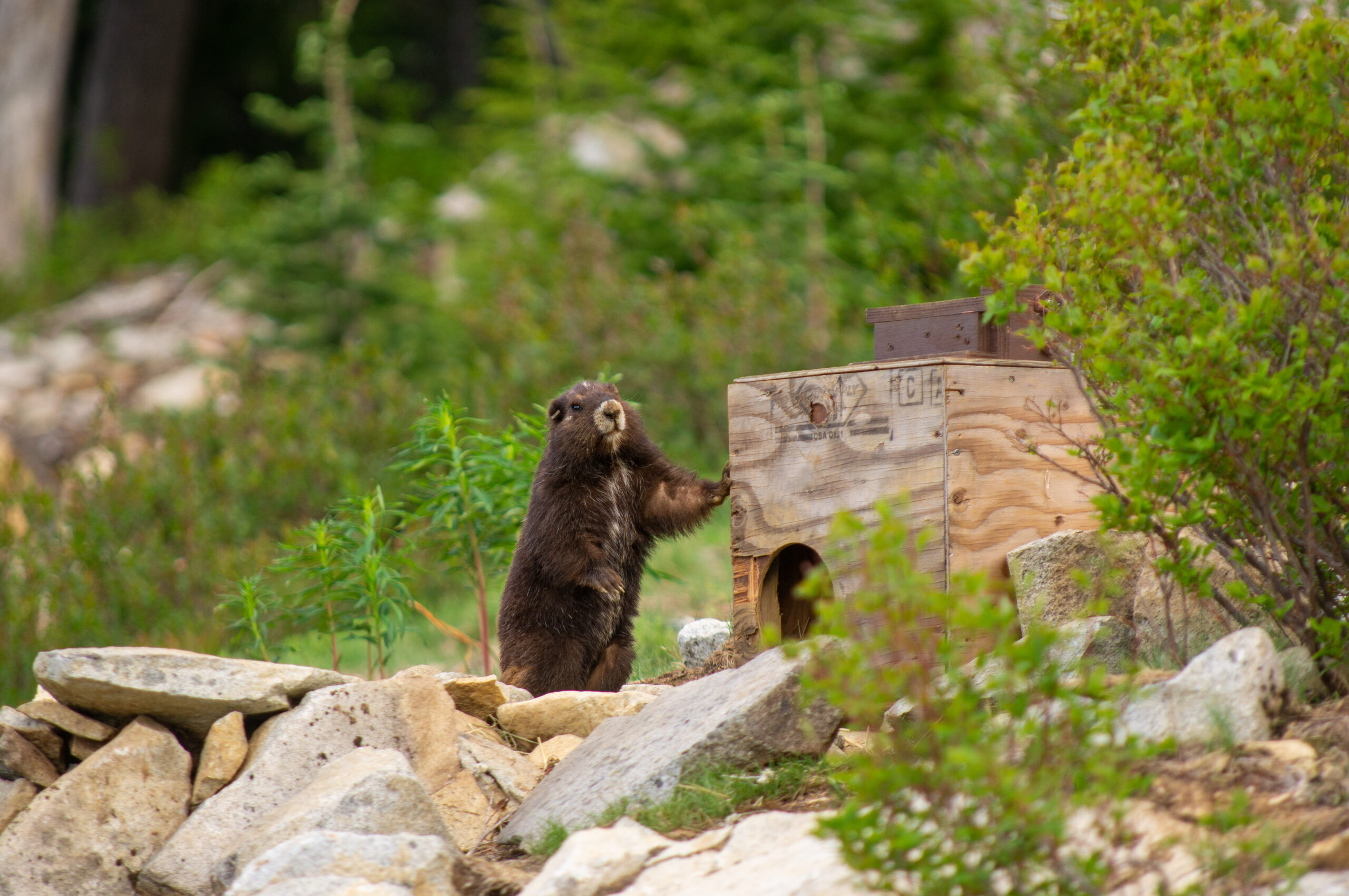
There were once fewer than 30 Vancouver Island marmots left in the wild. The Marmot Recovery Foundation is changing that.
The Foundation delivers the groundwork component as well as funding to support the marmot’s recovery. The Foundation also has a team of biologists and animal care staff who operate the Tony Barrett Mount Washington Marmot Recovery Centre. This facility runs a captive breeding program supported by partners at the Wilder Institute/Calgary Zoo and the Toronto Zoo, where they raise and care for marmots and prepare them for release into the wild.
The Centre is also involved with supplemental feeding at alpine sites, marmot habitat restoration, monitoring, and reporting on the status of the marmot’s recovery.
“Papika” and Cultural Significance
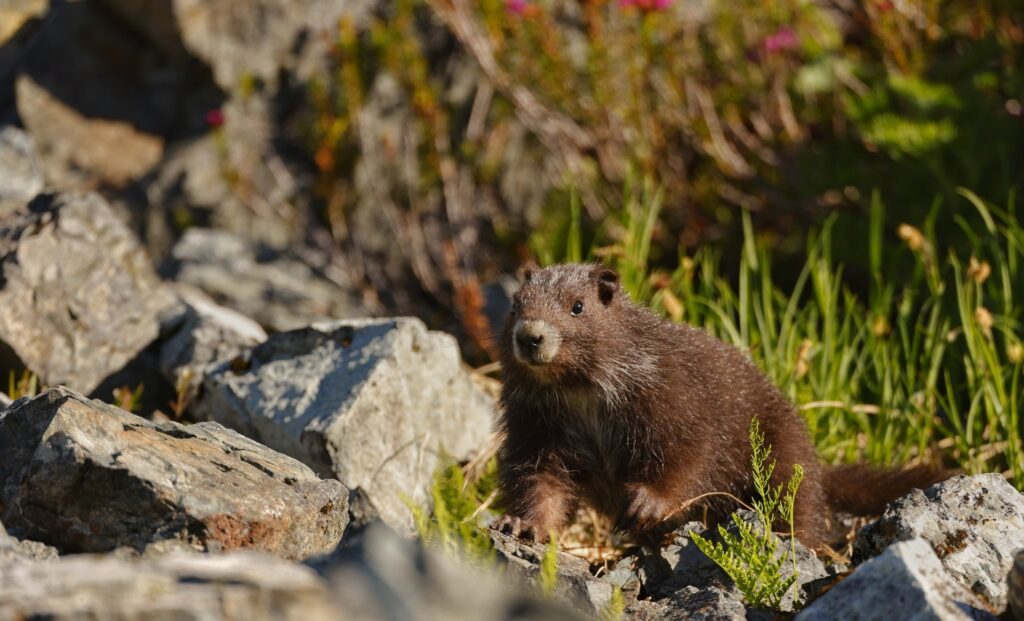
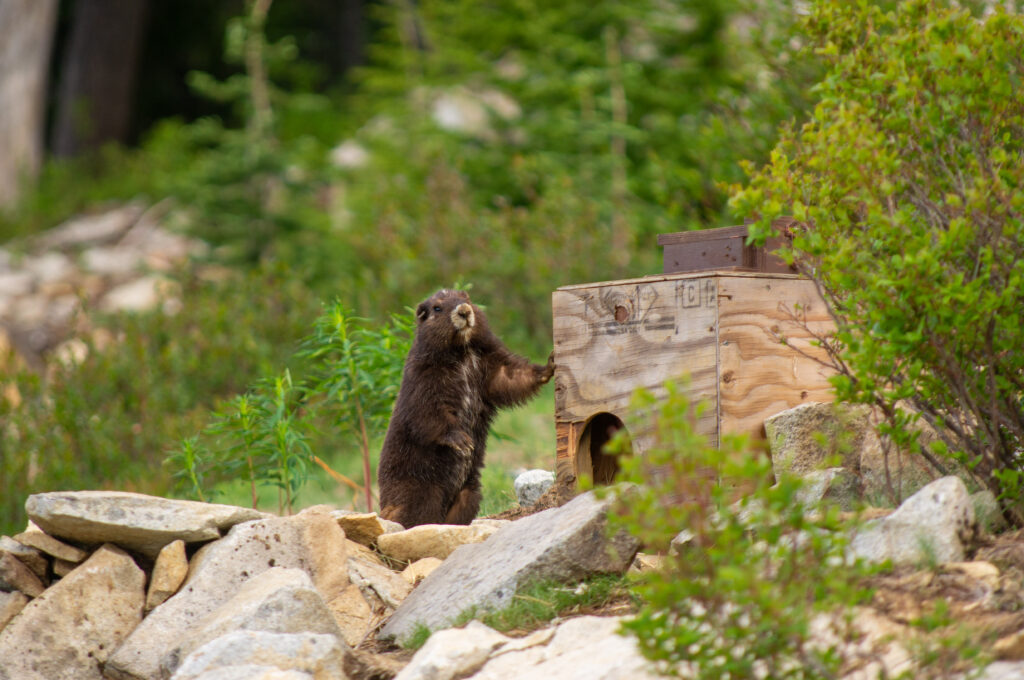
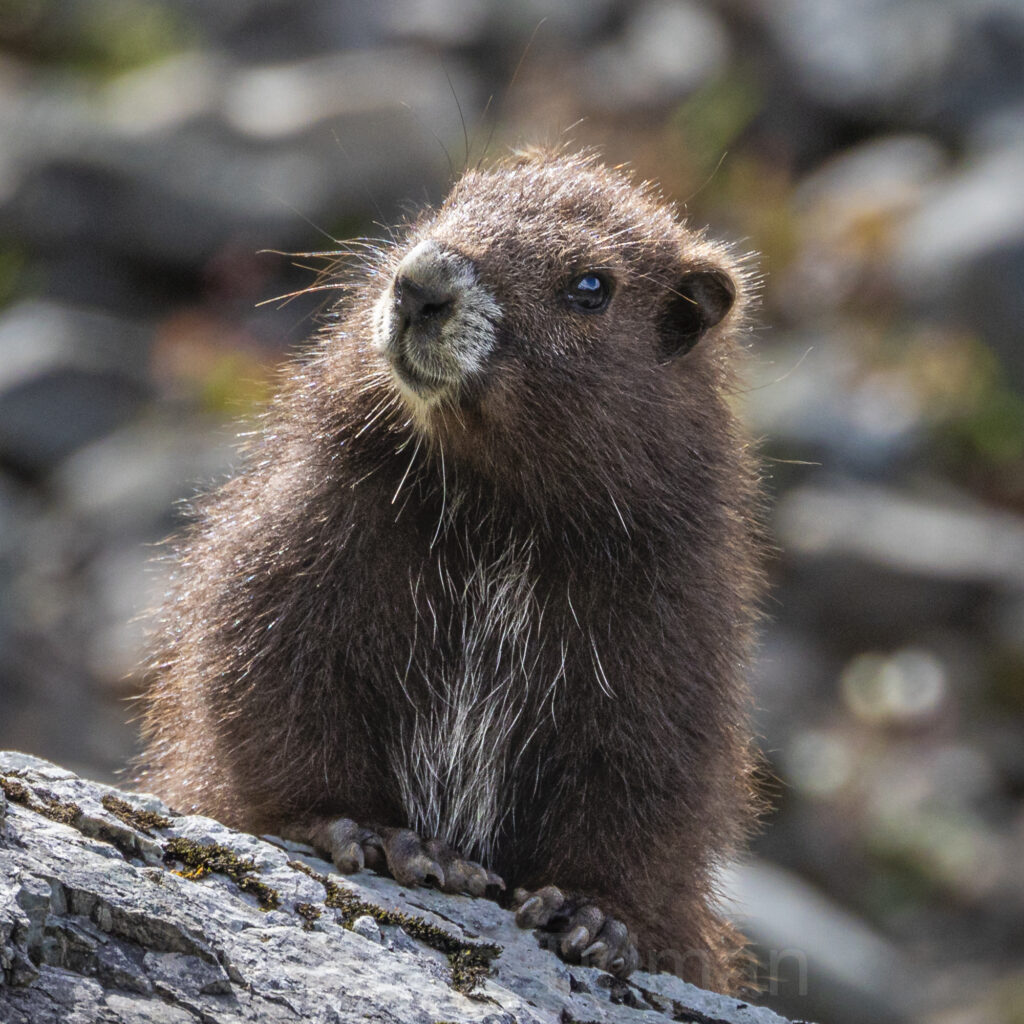
It isn’t exactly known when marmot ancestors arrived on Vancouver Island, but DNA evidence suggests that it was likely about 2 million years ago. Over time, they established colonies throughout the alpine areas of central Vancouver Island.
Marmots — known in Kwak̓wala as “Papika” — were historically significant for many First Nations, and stories tell of the importance of marmot fur and meat used in cultural traditions.
In ‘Na̱mg̱is Traditional Territory, there was a “Papikatan” (Place of Marmot) near Schoen Lake Provincial Park. This is supported by archaeological features found well above 1000 metres in elevation where ‘Na̱mg̱is ancestors harvested marmot for food and fur hides. This suggests that marmot populations once existed here in sustainable numbers.
Decline of the Vancouver Island Marmot
Surveys for marmot colonies on Vancouver Island began in 1972 and by the 1980s, concern for wild marmot populations drew the interest of many volunteer naturalists.
By 1998, it was determined that only 70 wild marmots remained in the Nanaimo Lakes and Mount Washington areas on Vancouver Island.
It is not fully understood why marmot populations disappeared so rapidly at the end of the 20th century, but predators — particularly wolves, cougars, and golden eagles — appeared responsible for 80% of marmot mortalities.
Extreme cycles in predator and prey populations, changes in landscapes and habitat loss resulting from logging and climate change, easier predator access created by road systems, and the isolated community structure of marmot colonies likely all contributed to the species’ decline to near extinction.
Recovery Efforts and Hope for the Future
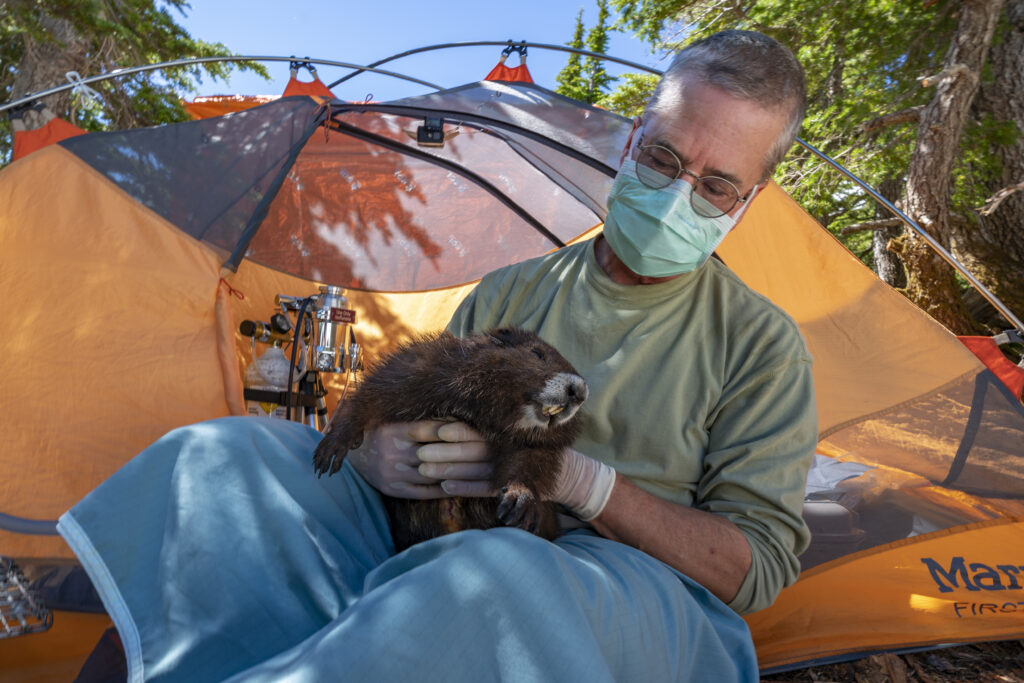
The Vancouver Island marmot population reached its lowest point in 2003 when only 22 individuals were located during that field season.
All wild marmot observations were noted in the Nanaimo Lakes and Mount Washington areas, and no marmots were located in the Schoen Lake area during this monitoring period.
That same year, the first four marmots were released into the wild in the Nanaimo Lakes area, and eventually 22 marmots were released at Schoen Lake.
Foundation staff returned to the Schoen Lake area in 2019 but found no evidence of surviving marmots from earlier releases. However, in 2025, the Foundation team revisited the Schoen Lake site and identified active hibernation burrows. Remote cameras also photographed three marmots at Mount Cain and another three at Mount Seth.
This was extremely good news for the Foundation and has reinvigorated interest in the program at Schoen Lake.
Record Numbers in 2025
Since the inception of the marmot recovery program, the Foundation has released 747 marmots. In 2025, 420 wild marmots were counted — the highest number of marmots ever observed during field monitoring.
The Foundation plans to release another 40 marmots on Vancouver Island in 2026.
Reporting Marmot Sightings
If you find yourself hiking on Mount Cain or Mount Seth during the summer months and happen to see a marmot, please report your rare experience through the Foundation’s observer program:
For more information about “Papikan” and ongoing recovery efforts, visit the Foundation’s website:
Saving a species. One animal at a time.
If you’d like to read more about Marmots or see more photos, feel free to check out this document: